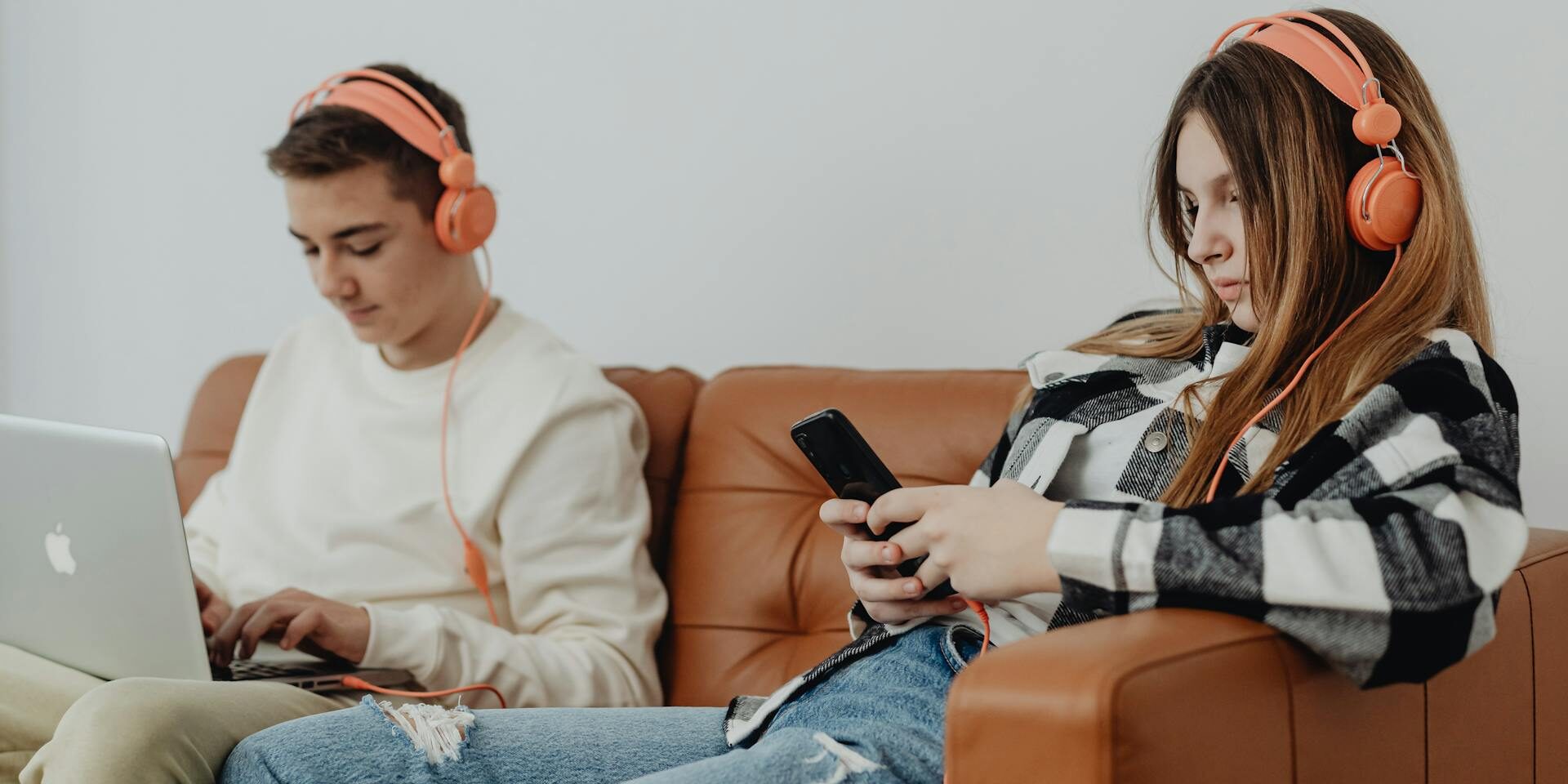
Social media is now a major part of everyday life for teenagers across East Africa. As smartphones become more affordable and internet access continues to grow, many young people spend several hours a day online. They use social media to communicate with friends, learn new things, and express themselves. While these platforms offer many benefits, they also raise serious concerns.

Social media trends influence how teenagers think, behave, and view themselves. Constant comparison, online pressure, cyberbullying, and unrealistic lifestyles are increasingly linked to mental health issues such as anxiety, depression, and low self-esteem. This growing social media impact on teen mental health has made these platforms both helpful and harmful for young people.
This article explores how social media trends are affecting teen mental health in East Africa, highlighting both the positive and negative effects of social media and suggesting ways it can be used more safely and responsibly.
How Social Media Can Positively Influence the Health and Well-Being of Teens in East Africa
1. Online Support Communities and Mental Health Awareness
Social media helps teens in East Africa connect with online support communities. These spaces allow young people to share experiences and ask for advice. Talking to others with similar
struggles reduces feelings of loneliness and helps teens feel understood and supported.
Social media also raises awareness about mental health. Campaigns and shared personal stories help reduce stigma. Seeing others speak openly encourages teens to seek help and makes mental health conversations more normal and accepted.
2. Easy Access to Mental Health Information
Social media gives teens quick access to mental health information. Many trusted organizations and professionals share helpful content online, including short videos, posts, and live sessions.
Through this content, teens learn about mental health conditions, coping skills, and self-care practices they can use daily. This information helps them understand their emotions better and encourages early steps toward emotional well-being.
3. Encouragement of Self-Expression and Creativity
Social media gives teens a space to express themselves creatively and confidently. Many young people use digital platforms to share music, art, poetry, opinions, and personal stories. This creative expression can be a healthy emotional outlet, helping teens process feelings and build confidence.
For some teens, social media provides a voice they may not have offline. Being able to express thoughts and talents freely can improve self-esteem and emotional resilience.
How Social Media Can Negatively Influence the Health and Well-Being of Teens in East Africa
While social media offers many benefits, it also carries risks that contribute to the negative effects of social media on teenagers, especially their mental and emotional health.
1. Stress and Anxiety
Teens often feel pressure to keep up with trends, respond to messages, and maintain a certain image online. This constant pressure can increase stress and anxiety.
2. Low Self-Esteem and Sadness
Comparing themselves to others, seeing perfect bodies, lifestyles, or achievements online can make teens feel unhappy, insecure, or less confident.
3. Online Bullying
Social media makes it easier for bullying to happen anytime and anywhere. Teens may face insults, body shaming, or exclusion, which can deeply affect their emotional and mental health.
4. Poor Sleep
Spending late nights scrolling through social media reduces sleep quality. Poor sleep can lead to mood swings, fatigue, and difficulty concentrating.
5. Feelings of Loneliness
Although social media connects teens online, excessive use can reduce face-to-face interaction, making some teens feel isolated from friends and family.
6. Social Media Addiction and Short Attention Span
Endless scrolling and viral content can become addictive, making it hard for teens to focus on schoolwork, hobbies, or offline activities.

Understanding the Overall Impact
Social media plays a huge role in the lives of teenagers in East Africa. While it supports learning, creativity, and social connection, it also contributes to mental health challenges such as anxiety, stress, low self-esteem, cyberbullying, and poor sleep. Addressing the social media impact on teen mental health requires balance, awareness, and responsible usage.
Plan of Action for Reducing Negative Impacts
The negative effects of social media can be reduced by encouraging teens to develop a healthy relationship with technology.
1. Tips for Balanced Social Media Use
- Set Time Limits: Encourage teens to use built-in app timers or daily usage limits.
- Take Regular Breaks: Short breaks from screens help prevent fatigue and reduce stress.
- Mindful Usage: Teens should notice how they feel before, during, and after using social media.
- Follow Positive Content: Recommend accounts that inspire, educate, or motivate.
- Unplug Before Bed: Turn off devices and notifications before bedtime to improve sleep quality.
2. Roles of Parents and Educators
- Open Communication: Encourage honest discussions about online experiences.
- Digital Literacy Education: Schools should teach safe and responsible social media use.
- Model Healthy Habits: Adults should demonstrate balanced social media behavior.
- Guidance, Not Control: Monitor usage gently while respecting privacy.
- Promote Positive Engagement: Encourage educational and community-focused content.
3. Encourage Offline Activities and Social Interaction
- Stay Active: Sports and outdoor activities help balance screen time.
- Pursue Hobbies: Reading, music, or art offers a healthy break from screens.
- Face-to-Face Socializing: Family outings and group activities strengthen real-life bonds.
- Digital Detox Days: Take regular breaks from all screens.
- Community Involvement: Volunteering and clubs help teens feel connected beyond social media.
Social media itself is neither the enemy nor the solution for teen mental health in East Africa. Its impact depends largely on how it is introduced, understood, and used. As digital spaces continue to shape how young people see themselves and the world around them, the real challenge lies in building awareness, resilience, and healthy digital habits early on.
When teens are guided with empathy, open conversations, and practical boundaries, social media can exist as part of a balanced life rather than dominating it. With the right support systems in place, the region has an opportunity to shape a healthier digital culture—one that empowers young people to grow confidently, think critically, and use technology as a positive force in their lives.